June 24, 2026
Micro Dramas Are Booming in India: Here’s How Brands Can Use Influencers to Make the Most of It
You've probably already watched one without realising it. A six-episode series on Instagram where each episode is under 90 seconds. A workplace comedy on Reels that somehow kept you hooked until the end. A brand story that felt like a show you actually wanted to watch. That's a micro drama. And in India, they're having a serious moment.
The micro drama market in India is currently worth $300 million and is projected to hit $1.5 billion by the end of 2026, making it the fastest-growing content vertical in the country right now. YRF and Red Chillies have already entered the space, MS Dhoni is an investor and brand ambassador for Kuku, and Meta held an entire summit dedicated to micro dramas in India earlier this year.
Brands that are still thinking in single Reels and static posts are about to feel very left behind.
What even is a Micro Drama?
A micro-drama is a short, serialised piece of content, typically under 90 seconds per episode, designed specifically for mobile screens and social feeds. Think of it as a web series, but engineered for the scroll. Each episode ends with just enough tension to make you tap for the next one.
Micro drama isn't a passing trend; it's rewriting the rules of Indian entertainment. 89% of viewers in India discover micro dramas through social feeds, which means they're not searching for this content. They're stumbling into it mid-scroll and staying. That's the dream for any brand trying to hold attention in 2026.
What Indian Brands are already doing
The early movers in this space aren't small experimenters. They're some of India's most recognisable brands.
 Source: IMPACT Magazine
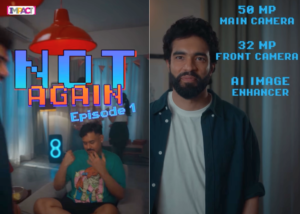
OnePlus India teamed up with Terribly Tiny Tales to launch 'Not Again', a six-episode micro drama created around the OnePlus Nord CE6 and Nord CE6 Lite. The product wasn't the hero of the story; the story was. The phone just happened to live inside it naturally.
Zomato's office micro drama series 'Chit Chat' blended quick banter, awkward workplace moments, and wild marketing ideas into bite-sized Instagram Reels that felt less like advertising and more like entertainment. AJIO launched 'Suit Yourself', a full Instagram-first micro drama series featuring real actors, a real plot, and real emotional stakes. The brand was woven in, not bolted on.
The goal shifted from virality to retention, getting audiences to wait for the next episode. That's a completely different relationship between a brand and its audience than a single ad ever creates.
Where Influencers come in
This is where it gets interesting for influencer marketing. Most micro drama campaigns right now are brand-produced: the brand writes the script, produces the content, and distributes it on their own channels. That works. But it's also expensive, slow, and requires the brand to become a content studio overnight.
The smarter play is bringing creators into the equation from the start. Here’s why:
Source: IMPACT Magazine
OnePlus India teamed up with Terribly Tiny Tales to launch 'Not Again', a six-episode micro drama created around the OnePlus Nord CE6 and Nord CE6 Lite. The product wasn't the hero of the story; the story was. The phone just happened to live inside it naturally.
Zomato's office micro drama series 'Chit Chat' blended quick banter, awkward workplace moments, and wild marketing ideas into bite-sized Instagram Reels that felt less like advertising and more like entertainment. AJIO launched 'Suit Yourself', a full Instagram-first micro drama series featuring real actors, a real plot, and real emotional stakes. The brand was woven in, not bolted on.
The goal shifted from virality to retention, getting audiences to wait for the next episode. That's a completely different relationship between a brand and its audience than a single ad ever creates.
Where Influencers come in
This is where it gets interesting for influencer marketing. Most micro drama campaigns right now are brand-produced: the brand writes the script, produces the content, and distributes it on their own channels. That works. But it's also expensive, slow, and requires the brand to become a content studio overnight.
The smarter play is bringing creators into the equation from the start. Here’s why:
Source: IMPACT Magazine
OnePlus India teamed up with Terribly Tiny Tales to launch 'Not Again', a six-episode micro drama created around the OnePlus Nord CE6 and Nord CE6 Lite. The product wasn't the hero of the story; the story was. The phone just happened to live inside it naturally.
Zomato's office micro drama series 'Chit Chat' blended quick banter, awkward workplace moments, and wild marketing ideas into bite-sized Instagram Reels that felt less like advertising and more like entertainment. AJIO launched 'Suit Yourself', a full Instagram-first micro drama series featuring real actors, a real plot, and real emotional stakes. The brand was woven in, not bolted on.
The goal shifted from virality to retention, getting audiences to wait for the next episode. That's a completely different relationship between a brand and its audience than a single ad ever creates.
Where Influencers come in
This is where it gets interesting for influencer marketing. Most micro drama campaigns right now are brand-produced: the brand writes the script, produces the content, and distributes it on their own channels. That works. But it's also expensive, slow, and requires the brand to become a content studio overnight.
The smarter play is bringing creators into the equation from the start. Here’s why:
- Creators already have the audience's trust that brands are trying to build
- Creators understand the format better than most brand teams
- Creators bring their own distribution
- Lead with the story, not the product
- Give the creator creative ownership
- Plan for episodes, not posts
- Match the creator to the genre
- 1. D2C beauty and fashion brand: The audience skew is perfectly aligned. Young women aged 18 to 35 are the core micro drama viewers in India, and they're also the primary buyers in this category.
- Fintech and banking apps: Financial literacy micro dramas are already happening. Relatable money stories with a product naturally embedded are performing well with young urban audiences.
- Food and beverage brands: Slice-of-life formats work naturally here. Zomato already proved it with Chit Chat. The format rewards brands that can be part of everyday moments without forcing it.
- OTT and entertainment platforms: Micro dramas are a native format for these brands. Using creators to launch their own micro series is a direct play into their core product.
FAQs
- What is a micro drama?
- How is a micro drama different from a Reel or short video? A single Reel is a standalone piece of content. A micro drama is episodic. It has characters, a plot arc, and multiple episodes that build on each other. The goal isn't one viral moment. It's getting your audience to come back for the next episode.
- Which platforms work best for micro dramas in India? Instagram and YouTube Shorts are the most popular platforms for brand-led micro dramas right now. Dedicated micro-drama platforms like Kuku TV, JioHotstar Tadka, MX Fatafat, and ReelShort are also growing fast and are worth considering for distribution.
- How do influencers fit into a microdrama campaign? Creators can either star in a brand-produced micro drama series or produce their own series with the brand naturally embedded in the story. The second approach tends to perform better because the creator's audience is already invested in them as a storyteller.
- How many episodes does a microdrama campaign need? A minimum of three to five episodes is recommended for the format to work. Fewer than that, and the audience doesn't have enough time to form a habit of watching. The best campaigns plan a full content arc before briefing the creator.
- How much does a micro drama influencer campaign cost? It varies depending on the creator tier, number of episodes, and production quality. The good news is that AI tools have significantly brought down production costs in 2026. What used to require a full production crew can now be done with a creator, a phone, and the right brief.