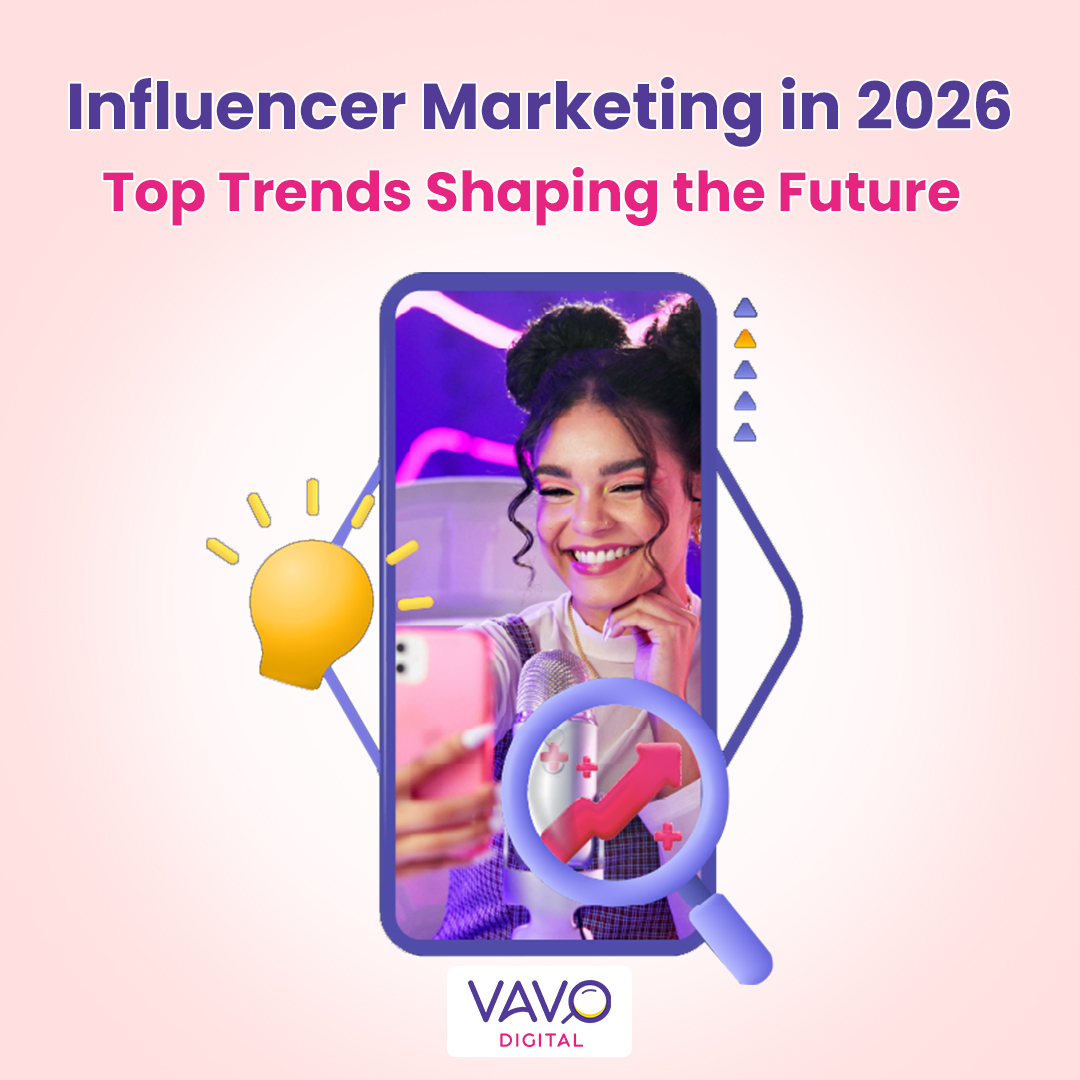
Influencer Marketing in 2026: Top Trends Shaping the Future
From optional extra to business essential, influencer marketing now shapes purchase decisions and brand narratives alike. Recent data shows that more than two‑thirds of Indian consumers turn to influencers for product information and discovery. Meanwhile, in India’s 2025 festive window alone, brands projected to spend over ₹700 crore on influencer campaigns, marking a significant step up in investment and expectations.
At the same time, artificial intelligence is reshaping the landscape. For example, in the Indian festive season, over 80% of shoppers used generative AI tools for gift ideas and inspiration.
As we head into 2026, marketers, creators, and brands are navigating a new era, one defined by transparency, resonance, and meaningful connection. Success no longer comes from reach alone; it comes from real influence. Let’s explore the top trends set to shape this next chapter of influencer marketing.
Top Predicted Trends Shaping up the Future of Influencer Marketing in 2026
2026 is set to be bigger and bolder than 2025, with higher brand investments and smarter, more authentic campaigns.
With AI, regional storytelling, and evolving consumer expectations, influencer marketing is entering a new era of impact and engagement.
1. From Reach to Resonance: Quality Overtakes Volume
In 2026, influencer marketing will be less about chasing numbers and more about creating meaningful connections. Studies show that 67% of consumers value honesty and authenticity over flashy campaigns, signaling a shift toward partnerships with creators who genuinely align with a brand’s values and community. Expect brands to prioritize smaller, highly relevant influencer cohorts whose stories resonate deeply, rather than casting wide nets for superficial reach.
2. Platform Diversification & Format Innovation
Instagram remains dominant (57% of brands), however, YouTube, Facebook, and LinkedIn are still relevant for niche strategies. Short-form, mobile-first video formats, like Reels and Shorts will dominate, as social video ad spend is projected to grow from ~$105 billion in 2024 to ~$140 billion in 2025. And while the mainstream spend goes to the usual suspects, platforms like Snapchat are quietly growing in relevance, especially for Gen Z and AR‑driven storytelling, making it one to track in 2026.
In 2026, the winning campaigns will test hybrid formats (collabs + live + shoppable) and optimise for platform-native storytelling rather than repurposed assets.
3. Creator Collaboration 2.0: Co-Creation & Long-Term Partnerships
Creators aren’t passive delivery channels. Sprout’s research shows 65% of influencers want to be involved in creative development from the start. Brands are shifting toward always-on influencer programs instead of one-off activations: This helps build credibility, efficacy and brand affinity over time.
In 2026, campaigns where creators help develop the product, path-to-purchase, or narrative will out-perform those where they’re simply featured.
Also Read: AI Labeling Rules Explained: What Marketers, Brands, and Creators Need to Know in 2025
4. Data, AI & Measurement Evolve
With increasing demand for ROI, data science and AI tools are becoming central. Influencer-marketing platforms now offer deeper audience insights, brand-safety screening and predictive analytics.
Expect 2026 to bring:
- More precise “influence value” metrics (beyond likes).
- Real-time attribution tied to performance and conversion.
- AI-driven creator recommendation engines.
5. Regional, Niche & Cultural Relevance Grow Stronger
The mass-market isn’t dead, but relevance is being fine-tuned. Data shows that 40% of consumers prefer content from micro/nano-influencers in niche verticals.
In markets like India, with cultural and linguistic diversity, this means more localisation: creators speaking regional languages, reflecting local traditions, and building intimate trust. In 2026, global brands will invest more in regional creators, culturally rooted narratives and content that feels home-grown rather than imported.
6. From Transactions to Community-Led Engagement
Influencer marketing is evolving beyond one-off transactions. In 2026, the most successful campaigns will prioritize authentic relationships between brands, creators, and audiences. This means:
- Influencers acting as ongoing brand ambassadors, not just campaign participants.
- Encouraging community-led content, including behind-the-scenes stories, UGC, and lived-in experiences.
- Fostering trust and loyalty through long-term engagement rather than one-time promotions.
By focusing on relational depth, brands can create campaigns that resonate, build advocacy, and drive sustained impact.
Final Thoughts
2026 will be the year influencer marketing evolves from episodic campaigns to continuous brand-creator ecosystems; from mass reach to meaningful relevance; from staged posts to lived-in stories. For brands and marketers, the message is clear: success will not be measured by the number of posts, but by how deeply your stories connect.
Ready to future-proof your influencer strategy for 2026? Partner with Vavo Digital to craft campaigns that resonate, convert, and leave a lasting impact. Let’s shape the future of your brand together..
FAQs: Influencer Marketing Trends 2026
Q1. What’s changing most in influencer marketing for 2026?
The shift from volume to relevance, brands will prioritise creators whose stories align deeply with their audience.
Q2. How should brands choose creators in 2026?
Look beyond follower count. Prioritise creators who reflect your culture, know your audience, and want to co-create.
Q3. What platforms and formats will dominate?
Short-form video (Reels, Shorts), live shopping, and micro-creator content will lead. Instagram and YouTube remain key, but niche platforms matter too.
Q4. How will measurement evolve?
Expect more unified attribution across channels, AI-driven creator evaluation, and stronger ties between influencer content and business outcomes.
Q5. Does this apply globally or just in specific markets?
While global trends apply, local context counts. Regional creator relevance and cultural authenticity will be increasingly important everywhere.