November 15, 2026
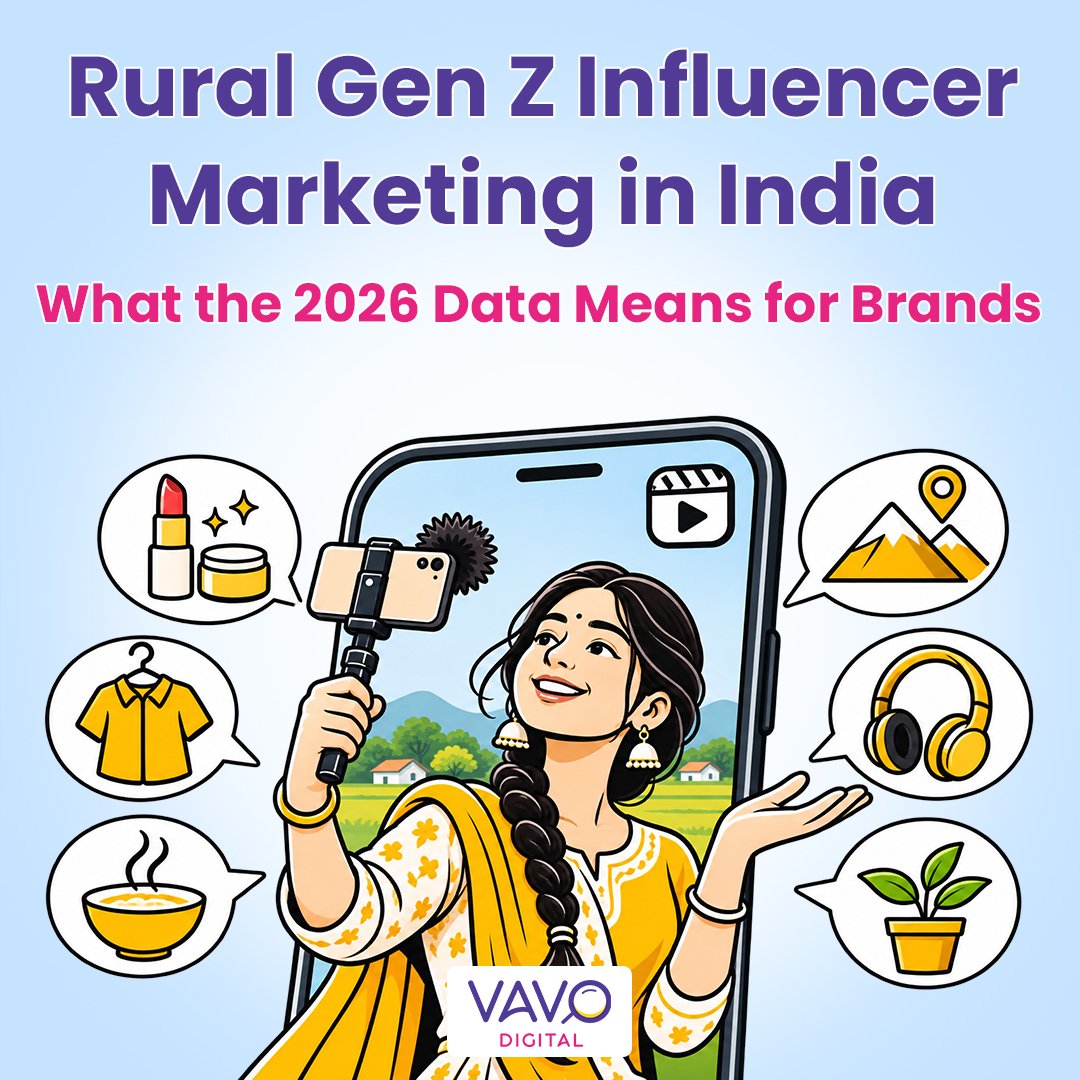
Rural Gen Z Influencer Marketing in India: What the 2026 Data Means for Brands
Influencer plans in India tend to start in the big cities. Rural Gen Z didn't get the memo. According to the Rural Barometer 2026 from WPP Media and Kantar, 40.9% of rural Gen Z follows online influencers, compared with 32.3% of rural adults overall.
That gap is small on paper. In practice, it describes a group that spends more time online, shops online more often and is already comfortable with AI tools. For a brand deciding where its next creator budget goes, it's worth a closer look.
The report surveyed rural mobile users across 12 state groupings, and exchange4media covered its findings. Here's what stands out for influencer marketing, and what we'd change in a campaign because of it.
Two more numbers are worth noting, both reported by MediaNews4U. Rural e-commerce has nearly tripled since 2022. And spending on personal grooming grew 9% among rural Gen Z while staying flat across rural India as a whole.
What does the Rural Barometer 2026 say about rural Gen Z?
The report defines Gen Z as ages 18 to 29. Set against the average rural consumer, they look like this:| Measure | Rural average | Rural Gen Z |
| Time online each day | 93 minutes | 115 minutes |
| Shopped online | 29.6% | 39.4% |
| Use at least one AI feature | 52.6% | 60.4% |
| Follow online influencers | 32.3% | 40.9% |
Why does this matter for influencer marketing?
1. Creators are already part of how rural shoppers decide
Rural Gen Z isn't only watching creators. The report says creator recommendations are changing how rural consumers find, judge, and buy brands, alongside online shopping and everyday AI tools. With 40.9% of rural Gen Z following online influencers, creators are becoming an important part of how brands reach and influence younger rural consumers. Ignoring this audience could mean missing out on a growing group of potential customers.2. Rural India isn't one market
The report itself makes the point that rural India is not a single, uniform market. The numbers show why. Gen Z sits well apart from the rural average on time online, shopping, AI use and following creators. A brief written for "rural audiences" will fit neither group well.3. Gen Z is buying in more categories
The report notes that rural Gen Z is buying across a wider range of categories than older groups. Personal grooming is the clearest example. For beauty, skincare, and haircare brands, this is the audience whose spending is moving. Our Mirabelle Korea case study shows what reaching beyond the metros can look like for a beauty brand.4. AI use is practical, and that affects content
Rural AI use isn't about chatbots for their own sake. The report found people using product images to shop online (29.3%), image filters (25.5%), and voice-to-text (23.2%). Our reading of that: shoppers search with photos and with their voice. So creator content works harder when the product is shown clearly, named out loud, and captioned in the language people actually speak.How Can Brands Target Rural Gen Z effectively?
- Choose regionally relevant creators: Shortlist creators based on audience location, language, and interests, not just follower count.
- Prioritise local-language content: Work with creators who can communicate naturally in regional languages and use familiar cultural references.
- Focus on product demonstrations: Use tutorials, reviews, and everyday-use videos to show how products fit into young consumers' lives.
- Answer buying questions: Include product details, pricing, benefits, and availability, as creator recommendations often lead to further research.
- Make content easy to search: Use clear product visuals, spoken brand names, and relevant keywords in captions to support visual and voice-led discovery.
- Explore growing categories: Personal grooming and health and wellness are seeing stronger spending among rural Gen Z, creating opportunities for relevant brands.
What should you keep in mind about this data?
It comes from a survey of rural mobile users, so it describes people who already have phones and online access. It compares June 2026 findings with February 2025, and rural India varies a lot by state. Treat the figures as a strong signal, then test with a small campaign in your own category before putting a large budget behind it.The bottom line
Rural Gen Z follows creators, shops online, and uses AI for practical things. That makes it one of the more useful audiences a brand can reach through influencer marketing right now. Plan for it as a separate group, pick creators who feel local, show the product clearly, and make buying easy. Want to reach rural Gen Z through creators? At Vavo Digital, we help brands choose creators, write briefs, and plan campaigns across regions and audiences. Let's talk about your next campaign.FAQs
- How many rural Gen Z consumers follow influencers in India?
- What age group counts as Gen Z in the Rural Barometer?
- Does rural Gen Z shop online?
- Which categories are growing among rural Gen Z?
- Which creators work best for rural audiences?