June 30, 2026
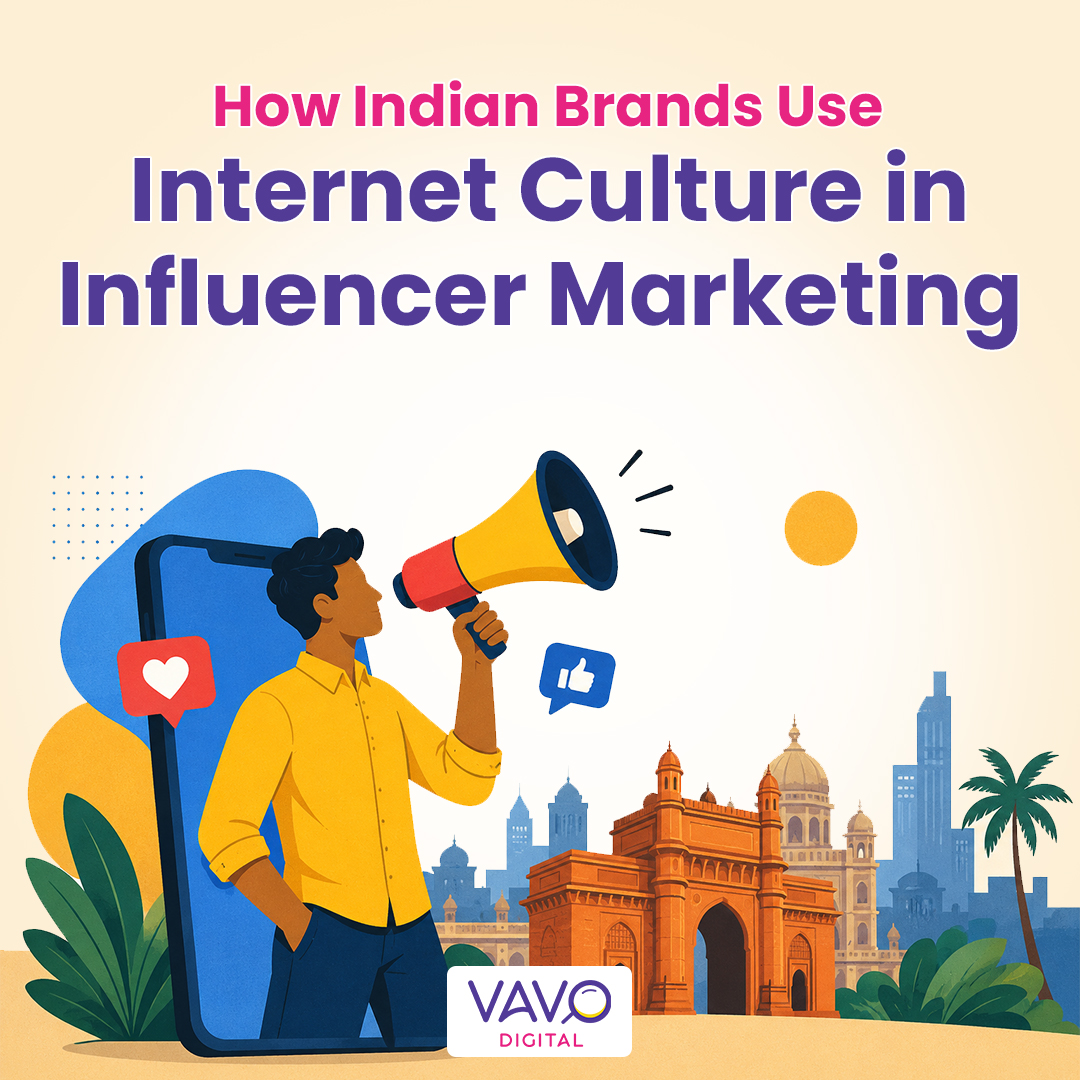
How Indian Brands Use Internet Culture in Influencer Marketing
Nobody planned for Prashant.
A creator named Ayush joined Instagram on March 8, 2025, with zero followers. In a split-screen video where he was guessing the names of bakery items, he mispronounced "croissant" as "Prashant." The video hit 21 million views.
Within days, Britannia temporarily rebranded on Instagram as "Britannia.Prashant." Swiggy mapped croissant searches to the word "Prashant" on their app. Netflix, IKEA, Lakmé, Myntra, Philips, and mCaffeine all jumped in. Ayush went from zero followers to brand deals with some of India's biggest names in under a month.
No paid amplification. No planned campaign. Just a brand's ability to spot a moment and move fast enough to own it.
That's the new game in Indian influencer marketing. And the brands playing it well are pulling so far ahead that it's becoming hard to catch up.
Ayush's brand-related reels garnered an average of 9.9 million views, with an estimated reach of 1.8 million and an engagement rate of 863.34%. For context, most big celebrities average an engagement rate of 10 to 15% per month
That's not a typo. 863%.
What Is Moment Marketing and Why Is India So Good at It?
Moment marketing is the practice of tapping into a trending cultural moment in real time and inserting your brand into the conversation before the moment fades. India is unusually good at this for a few reasons:- A massive, highly engaged social media audience that turns niche moments into national conversations overnight
- Brands with social media teams that have genuine creative autonomy and can move fast without waiting for three rounds of approvals
- A culture of humour and shared references that makes meme-based content travel faster here than almost anywhere else
- Creators who are deeply embedded in everyday culture rather than existing in a separate influencer bubble
The Prashant Playbook: What Actually Happened
Here's exactly how the Prashant moment unfolded and what each brand did:| Brand | What They Did | Result |
| Ayush (Creator) | Mispronounced "croissant" as "Prashant" in a guessing video | 21 million views, zero followers to a viral creator in 15 days |
| Britannia | Temporarily rebranded Instagram to "Britannia.Prashant", changed packaging, and sent the creator a hamper | 7.5 million views, 42.2K shares on croissant post |
| Swiggy | Mapped croissant searches to "Prashant" on the app, posted "Tum Prashant bologe, hum croissant samajh lenge" | 6.2 million views |
| IKEA | Invited Ayush to their Delhi NCR store opening alongside their influencer roster | Strong engagement, extended reach to Ayush's new audience |
| Lakmé | Created a makeup product name test video with Ayush | Massive reach, high engagement |
| Myntra | Showcased trending dresses in a reel with Ayush | 22.8K likes, 20.1K shares |
| Netflix | Incorporated the Prashant trend into promotional content for shows | Extended the meme's shelf life into entertainment content |
What Made This Work: 3 Things Every Brand Should Take Away
Speed is the strategy
The window for moment marketing in India is 24 to 72 hours. After that, the audience has moved on. Britannia's team saw the video, made a creative decision, changed their Instagram handle, updated their packaging, and shipped a hamper to the creator, all within days. The brands that missed this moment weren't slow because they lacked creativity. They were slow because their approval processes are built for planned campaigns, not live culture.The creator is the entry point, not the ad
Every brand that won with the Prashant moment did so by working with or around Ayush, not by creating their own standalone campaign about croissants. The creator was the cultural access point. Brands that tried to jump on the meme without connecting back to him felt hollow. The ones that acknowledged him, collaborated with him, or responded to the original moment with genuine wit travelled the furthest. Internet culture has a source. Find it, acknowledge it, and build your brand presence around it rather than on top of it.Authenticity is not a feeling. It's a decision.
Britannia had a genuine reason to be in this conversation; they make croissants. Swiggy delivers them. IKEA was opening a new store and needed cultural relevance. Each brand had a real hook that made their participation feel earned rather than forced. The brands that felt out of place were the ones that showed up with no logical connection to the moment, just a need to be part of it. This Isn't New. India Has Done This Before. The Prashant moment is the most recent example of something Indian brands have been quietly mastering for years. "Rasode mein kaun tha?" : A dialogue from a daily soap became a meme that Zomato, Netflix, and Paytm all jumped on. "So beautiful, so elegant, just looking like a wow" : A comment on a social media post became a brand reference point across categories. Ganji Chudail: An animated character from a small YouTube channel became a brand ambassador for Netflix, Swiggy Instamart, and Nykaa. The pattern is the same every time. A piece of organic, creator-generated content catches cultural fire. Brands that are listening move fast and win big. Brands that aren't watching from the sidelines.What This Means for How Brands Should Work with Influencers
Most influencer marketing in India is still planned weeks. Brief out, creative approved, content scheduled. That model isn't going away; it's the backbone of most campaigns we help brands build at Vavo Digital. But the brands that are building a real cultural presence in 2026 are doing something alongside their planned campaigns. They're listening. They have social listening set up to catch moments as they emerge. They have creative teams with enough autonomy to respond within hours. And they have relationships with creators already in place, so that when a moment happens, they can act on it without starting from scratch. That last part matters more than most brands realise. One-off collaborations don't give you that speed. Long-term creator relationships do. And understanding how each platform rewards content in real time is what helps brands stay ahead of the moment before it even happens. We've broken down exactly how Instagram, YouTube, and LinkedIn algorithms are working in 2026; read it here.The Bottom Line
Ayush didn't plan to become a marketing case study. He just mispronounced a pastry. But the brands that were paying attention turned that moment into millions of views, genuine brand recall, and cultural relevance that no planned campaign could have manufactured. Internet culture moves fast. The brands winning in India right now are the ones that have figured out how to move with it. If you want to build an influencer strategy that works for both planned campaigns and real-time moments, let's talk.FAQs
- What is moment marketing in influencer marketing? Moment marketing is when a brand spots a trending cultural moment: a meme, a viral video, a shared joke, and inserts itself into that conversation in a way that feels natural and timely. In influencer marketing, this often means working with the creator behind the moment or creating content that authentically extends it.
- How did Indian brands use the Prashant meme for marketing? Britannia temporarily rebranded their Instagram to "Britannia.Prashant" and updated their croissant packaging. Swiggy mapped app searches for "Prashant" to croissants. IKEA, Lakmé, Myntra, and Netflix all collaborated with Ayush, the creator behind the original video. The result was millions of views with zero paid amplification.
- How fast do brands need to respond to viral moments? The window is typically 24 to 72 hours. After that, the audience has moved on, and the moment has passed. Brands with streamlined creative approval processes and existing creator relationships are best positioned to respond in time.
- Can small brands do moment marketing too? Absolutely. Moment marketing doesn't require a big budget. It requires attention, a genuine connection to the moment, and the ability to create something quickly. Some of the best responses to viral trends in India have come from smaller brands that moved faster than their larger competitors.
- What's the difference between jumping on a trend and doing it well? The brands that do it well have a real reason to be in the conversation. Britannia makes croissants. Swiggy delivers them. Their participation felt earned. Brands that show up with no logical connection to the moment just to chase visibility often come across as forced and can actually hurt brand perception.
- How do long-term creator relationships help with moment marketing? When a brand already has an ongoing relationship with a creator, they can move much faster when a cultural moment happens. There's no cold outreach, no contract negotiation from scratch, no onboarding. The creator already understands the brand. That speed is what separates the brands that win moments from the ones that watch them pass by.