September 29, 2026
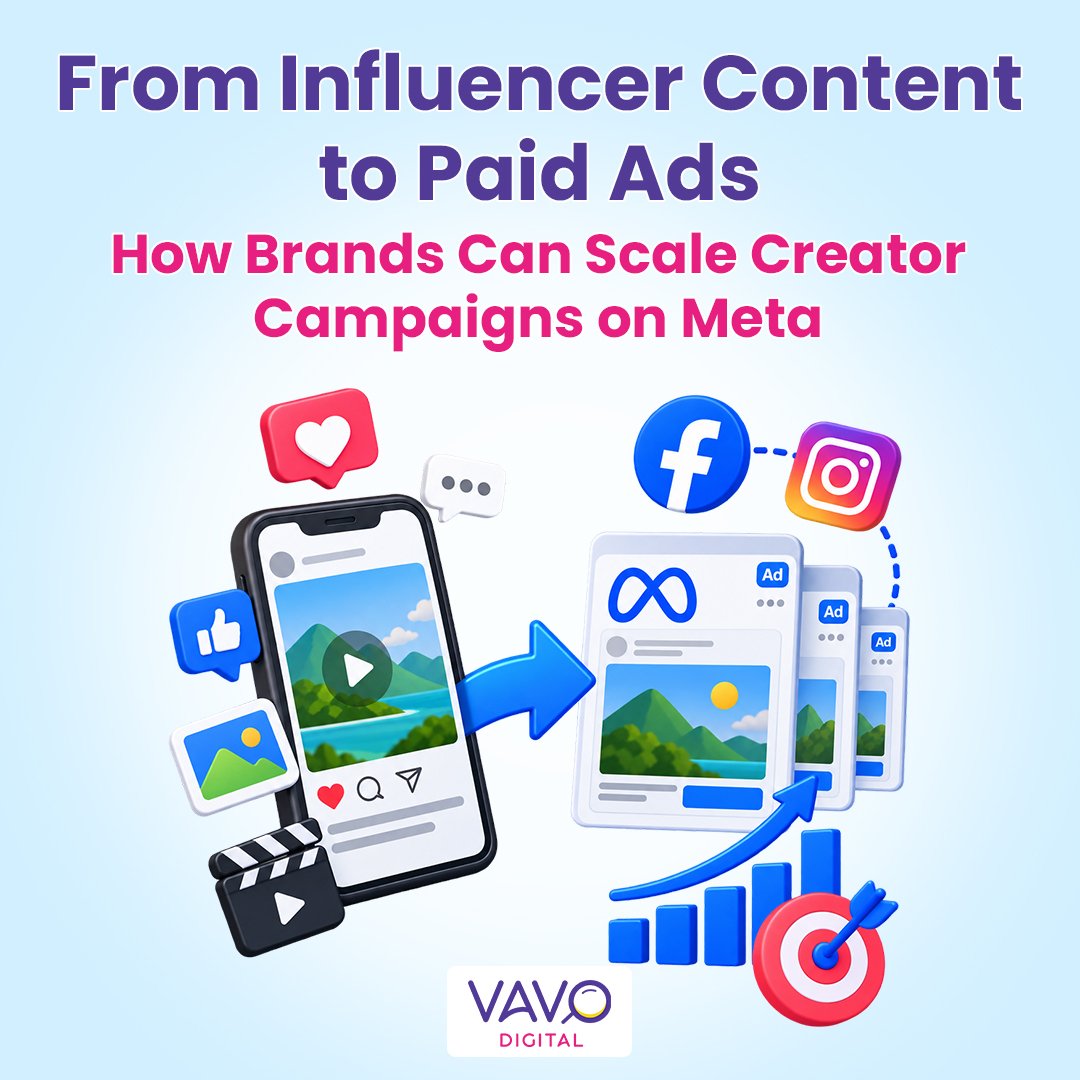
From Influencer Content to Paid Ads: How Brands Can Scale Creator Campaigns on Meta
Already running creator campaigns but haven't explored paid amplification yet? Meta Partnership Ads give brands a way to take eligible creator content and use it in paid campaigns, while keeping the creator’s identity attached to the ad. You can then use Meta’s targeting, budget and optimisation tools to put additional media behind content that has potential.
For brands that haven't explored Partnership Ads yet, this can be a useful way to extend the value of creator campaigns beyond organic reach.
Meta reported that campaigns using Partnership Ads alongside business-as-usual ads saw 19% lower CPA and 13% higher CTR in its testing. These results are Meta-reported averages, so performance will vary by campaign.
Here’s what brands need to know before adding Partnership Ads to their creator strategy.
What are Meta Partnership Ads?
Partnership Ads, formerly known as Branded Content Ads, are Instagram and Facebook ads that run from a creator's own account but are built, targeted, and paid for entirely by the brand. The ad shows a "Paid Partnership" label, keeps the creator's name and profile attached, and behaves in Ads Manager exactly like any other ad, with full access to targeting, budget controls, and pixel tracking. This is different from a brand simply boosting its own post. When a brand boosts its own content, it's amplifying a message from a page an audience may not know or trust yet. When a brand runs a Partnership Ad, it's amplifying a message from a person the audience already follows and, ideally, already trusts. That authenticity is exactly what shows up in the performance numbers. 71% of consumers make a purchase within days of seeing creator content on Meta, a conversion window that a standard brand ad rarely achieves on its own.The permission handshake that makes this work
Before a brand can run any Partnership Ad, one thing has to happen first: the creator has to say yes. This isn't optional, and it isn't something a brand can work around. The creator must first enable branded content tools on their professional account. Once a post goes live tagging the brand with the Paid Partnership label, the creator can then grant the brand permission to boost it, either post by post, or at the account level for ongoing access to any future content where the brand is tagged. Two ways this permission typically gets granted:- Content-level permission: The creator generates an ad code for one specific post, story, or Reel, and shares that code with the brand. The brand enters this code in Ads Manager to activate the ad. This works well for a single campaign moment or product launch.
- Account-level permission: The creator grants the brand ongoing access to boost any content where the brand is tagged, without needing a new code every time. This is the far more scalable option for brands running multiple creators or an always-on creator program.
Setting up a Partnership Ad in Ads Manager
Once permission is granted, the actual campaign build follows a straightforward process.- Find the content: In Ads Manager, the Partnership Ads Hub shows posts where creators have tagged the brand, along with any UGC or affiliate content already flagged as available for use.
- Confirm the permission: If the creator has shared an ad code, the brand enters that code directly at the ad level. If account-level access has already been granted, the brand can select eligible content directly without needing a fresh code each time.
- Build the campaign like any other Meta ad: Choose the objective, set the destination URL and call-to-action, define the audience, and set budget and schedule exactly as you would for a standard campaign. The one difference is toggling "Partnership Ad" on at the ad level, which links the creator's content and identity to the ad unit.
- Launch and monitor: Once live, the ad appears with dual branding, the creator's name alongside the brand's, and full performance data flows into the same reporting dashboard as every other campaign.
Why the performance gap is so consistent
The efficiency gains aren't a marginal edge that only shows up occasionally. Across the board, Partnership Ads are outperforming standard brand-handle ads on nearly every metric that matters: 19% lower cost-per-acquisition, 53% higher click-through rate, up to 40% cheaper CPM, and 71% higher brand lift. The reason comes down to something Meta's own ad algorithm rewards directly. Partnership Ads are becoming increasingly important in Meta's ad delivery algorithm, and brands testing this format are rewarded with improved ad performance simply for using it. Combine that algorithmic preference with the trust an audience already has in the creator, and the format ends up outperforming a comparable brand-handle ad by a wide, consistent margin, not just in isolated case studies.What content is actually worth scaling this way
Not every creator post needs paid amplification. Before putting budget behind one, check:- Strong organic response: Look beyond likes. Comments, shares, saves, views and other engagement signals can show whether the content genuinely resonated.
- A strong hook: Content that captures attention quickly has a better chance of working once you put paid distribution behind it.
- Clear brand integration: The product or message should be easy to understand without relying on the creator’s existing audience context.
- Relevant audience: Check whether the creator’s audience matches the campaign’s target audience, including geography and demographics.
- Paid potential: Ask whether the content can work beyond the creator’s followers and still make sense when shown to a new audience.
- Permission in place: Confirm that the brand has the required rights and creator authorisation before selecting the post for amplification.
Building this into how creator campaigns get planned
The brands getting the most value from Partnership Ads aren't treating this as an occasional experiment after a post happens to go viral. They're planning for it from the brief stage. That means securing the right permission structure with every creator upfront, ideally account-level access for brands running long-term creator partnerships rather than one-off deals. It means briefing creators with an awareness that their best-performing content may get amplified as a paid ad later, which affects decisions like hook timing and how clearly a call-to-action needs to land in the first few seconds. And it means building a simple internal review process, checking organic performance within 48 to 72 hours of a post going live, and moving quickly to secure the ad code or confirm account-level access before the organic momentum fades.The bottom line
Meta Partnership Ads close one of the more frustrating gaps in influencer marketing: the moment where a great piece of creator content finishes its organic run and simply stops working for the brand. With the right permission structure in place and a clear process for identifying which content deserves the paid push, a brand can turn a single strong creator post into a scalable, targeted acquisition channel, one that consistently outperforms a standard brand ad on cost and conversion. If you want help building a Partnership Ads process for your creator campaigns, let's talk.FAQs
- What is the difference between Meta Partnership Ads and simply boosting a post? Boosting amplifies content from the brand's own page. A Partnership Ad runs from the creator's account instead, keeping their name and profile attached, which carries their existing audience trust into the paid placement. This is why Partnership Ads consistently outperform standard boosted posts on click-through rate and conversion.
- Do creators need a minimum follower count to use Partnership Ads? No. There's no follower minimum required. The creator does need a professional Business or Creator account with branded content tools enabled, and the account has to comply with Meta's partner monetisation policies.
- How much do Partnership Ads improve performance compared to standard ads? Data shows Partnership Ads deliver roughly 19% lower cost-per-acquisition, 53% higher click-through rates, and up to 40% cheaper CPM compared to standard brand-handle ads on Meta.
- Should brands secure Partnership Ad permission before or after a campaign? Before. Building account-level ad permission into the original creator contract avoids the scramble of negotiating access after a post has already performed well, when the brand's negotiating position is weaker, and the organic momentum may already be fading.
- What kind of creator content performs best when scaled as a Partnership Ad? Content that already showed strong organic engagement, ideally short-form video with a clear hook in the first few seconds. Tutorial-style content walking through a specific use case tends to convert meaningfully better than generic testimonial-style posts.