June 25, 2026
How Brands Are Using Influencer Marketing at Events to Turn FOMO Into Sales
Here's something worth paying attention to. Coachella 2026 had no major Indian artists performing. And yet Indian social media was flooded with Coachella content for days. Not because of the music. Because Indian creators attended the event as brand representatives, and their content travelled back home faster than any paid campaign could.
That's events influencer marketing working exactly as intended. And if you're a brand that runs any kind of live activation, product launch, or experiential event in 2026, this one's directly for you.
Without further ado, let’s dive straight into it!
What Coachella 2026 Actually Was
It wasn't a music festival. It was a brand content machine that happened to have music playing in the background.
Rhode built an interactive playground with claw machines and touch-up stations. Red Bull put up a three-storey, 20,000 sq ft structure near the main stage. Neutrogena turned sunscreen into a utility by installing SPF stations across the venue. Google Gemini set up AI photobooths that remixed attendees' photos in real time. Gap launched a Hoodie House where people could personalise exclusive merchandise on the spot.
None of these was accidental. Every activation was designed to be filmed. Every experience was built to travel.
And Indian creators made sure it did. Magnum flew in Kritika Khurana, Anahita Karanjia, and Tanesha Mirwani. Red Bull brought Apoorva Mukhija as its official ambassador. Their content flooded Indian timelines for days. The comment sections said it all: "Maybe next life we'll be the influencers getting sponsored to Coachella."
That's FOMO as a deliberate marketing outcome. Not a side effect.
Why This Combination Works
The EY-BookMyShow 'Beyond Attention. Into Immersion' report from March 2026 put numbers to what marketers already felt. 59% of live event attendees recall brands they engage with on-ground. 55% report higher purchase intent after interacting with a brand at an event. 78% of Indian consumers now prefer experiences over products.
That's the on-ground side. Now add influencers.
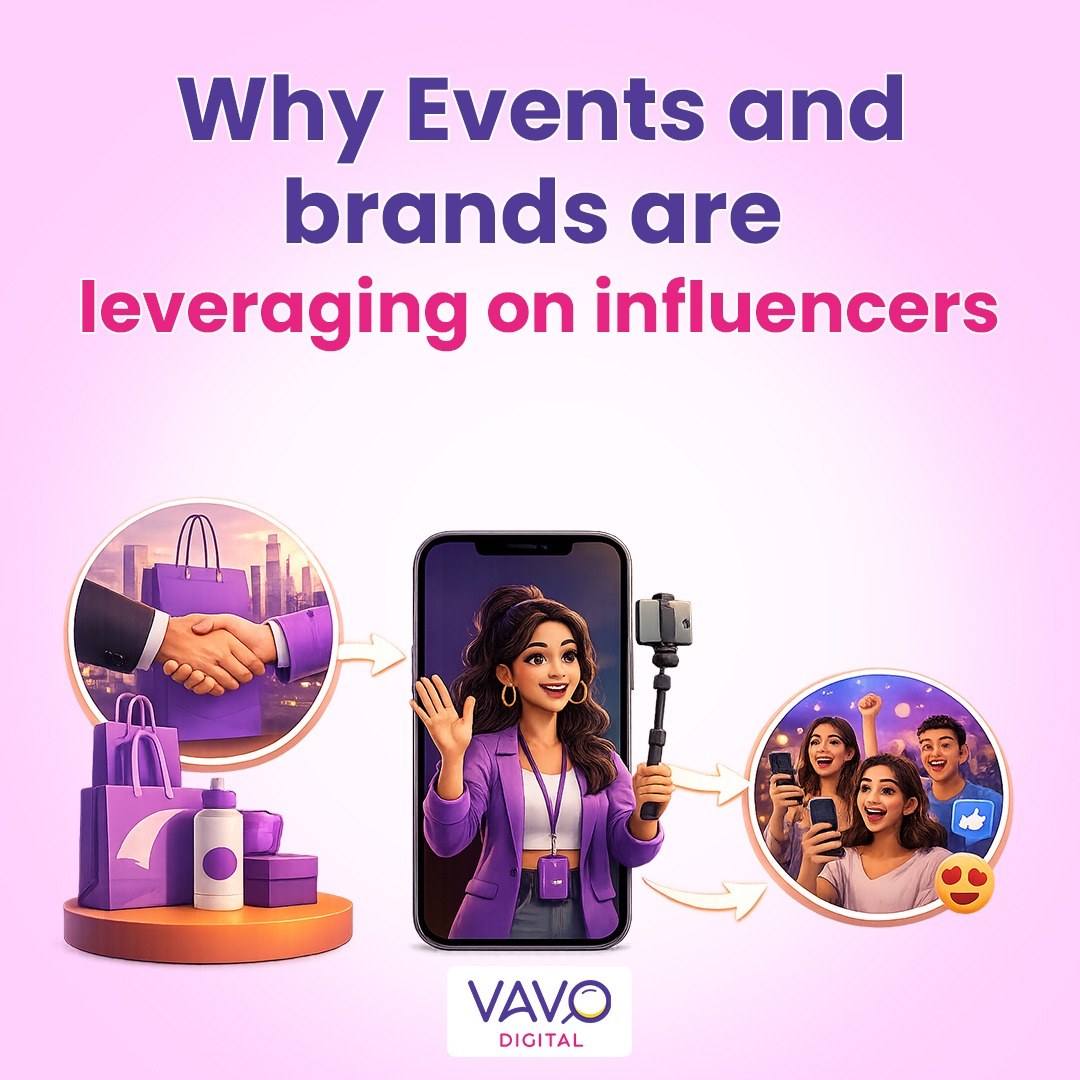
When a creator documents a brand experience at an event, they do something an activation alone cannot: they take that moment to an audience that wasn't there. Every reel, every story, every reaction post extends the brand's presence to hundreds of thousands of people who will never set foot in the venue. The event creates the experience. The influencer creates the reach. Together, they manufacture something most campaigns spend months trying to build a genuine desire to be part of it.
What Indian Brands Are Already Doing
India's live events market hit ₹13,000 crore in 2026. Brands are not treating this as a sponsorship checkbox anymore.
Nykaa turned NykaaLand into an immersive brand playground that generates creator content across every edition. Uber Eats partnered with Prajakta Kohli for a live on-stage drone delivery of a vada pav, an unexpected moment that spread across social media within hours.
RuPay and Kotak Mahindra Bank have built their presence around high-demand live entertainment moments, focusing on access and convenience rather than logo placement.
Event-led influencer marketing isn't a standalone tactic anymore; it's becoming a core part of how brands plan their annual creator budgets.
If you want a broader picture of where influencer marketing is heading this year, here's a full breakdown of the trends shaping campaigns in 2026.
What a Smart Events Influencer Strategy Looks Like
- Design for the content, not just the experience
- Brief creators with a shot list, not a mood board
- Match the creator to the context
- Pre-event: send a PR package that builds anticipation
- Post-event: turn creator content into paid media
FAQs
- What is event influencer marketing? Event influencer marketing is the practice of partnering with creators to promote, document, and amplify a brand's presence at live events. Instead of just showing up at an event, brands work with influencers to extend the experience to audiences who weren't there, turning an on-ground activation into a content campaign that travels far beyond the venue.
- Why are brands using influencers at events in 2026? Because events create experiences, but influencers create reach. 59% of live event attendees recall brands they interact with on-ground, and 55% report higher purchase intent after engaging with a brand at an event. When you add a creator documenting that experience for hundreds of thousands of followers, the impact multiplies significantly.
- What kind of events work best for influencer marketing? Music festivals, product launches, brand pop-ups, sports events, and cultural IPs all work well. The key is that the event has enough visual and experiential appeal for a creator to build content around it. If there's nothing worth filming, the influencer campaign won't have much to work with.
- How do you choose the right influencer for an event campaign? Match the creator's personality and audience to your brand positioning and the event's cultural context. A lifestyle creator at a fashion event, an adventure creator at a sports activation, a food creator at a culinary experience. The fit has to feel natural, especially at events where the creator is representing the brand in real time and in front of their audience.
- How should brands brief influencers for events? Brief them before the event, not at it. Cover the story you want told, the moments you want captured, the one feeling you want their audience to walk away with, and the content you need across all three phases: pre-event, live, and post-event. A strong brief is what separates good event content from great event content.