October 21, 2026
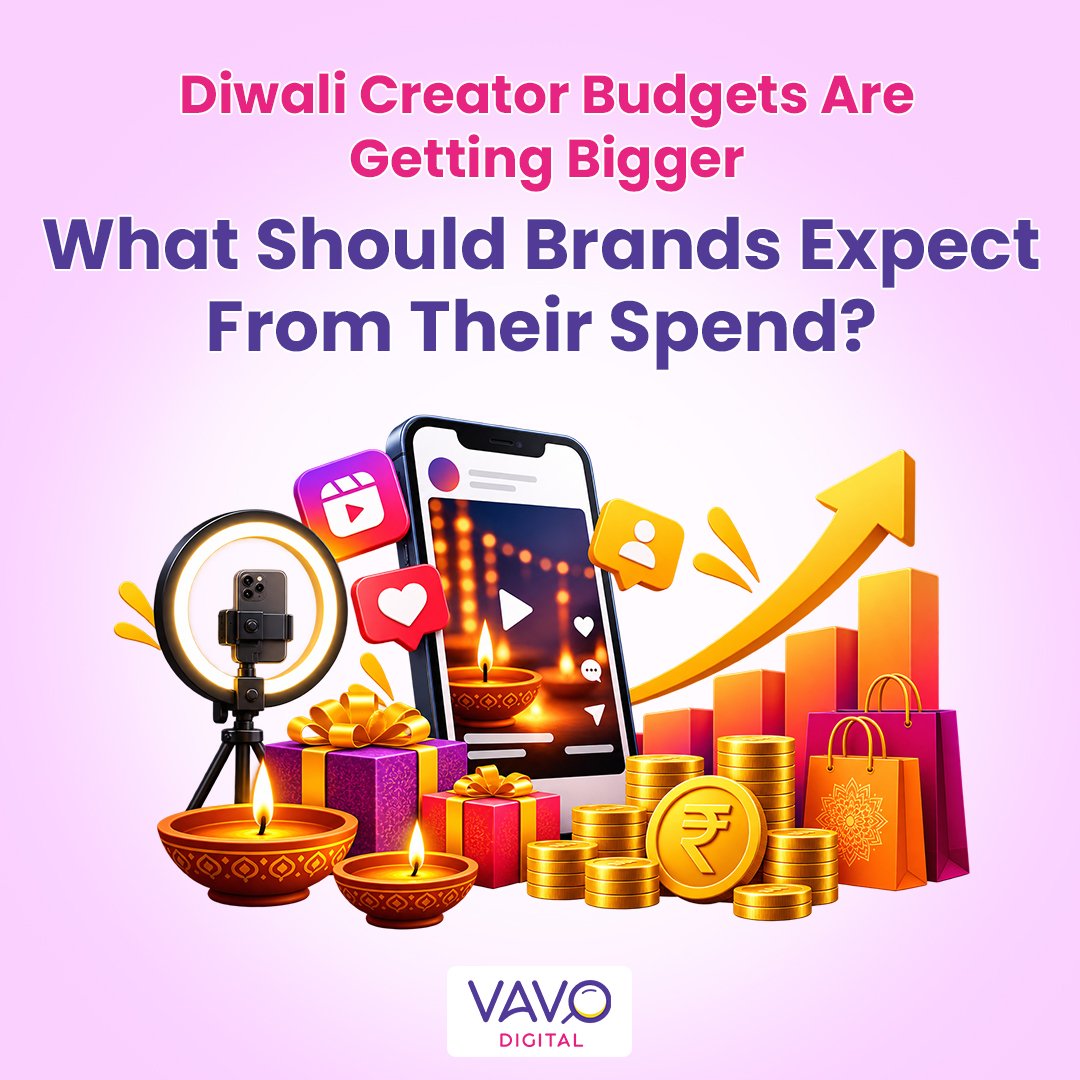
Diwali Creator Budgets Are Getting Bigger: What Should Brands Expect From Their Spend?
Diwali is one of the busiest times of the year for influencer marketing, and brands are spending more on creator campaigns in 2026.
But a bigger budget also means higher creator rates, more competition for popular creators, and more brands trying to get noticed in the same feeds.
So, what does this mean for your Diwali campaign? Here’s a look at the latest numbers and what brands should consider before spending more this festive season.
These four categories take 71% of festive creator spend, based on data for the last three festive seasons. If your brand is in one of them, expect more competition for the same creators.
Which categories spend the most
| Category | Share of festive creator spend |
| Consumer durables and electronics | About 20% |
| Fashion and beauty | 19% |
| E-commerce | 17% |
| FMCG | 15% |
How big are Diwali creator budgets this year?
India’s festive creator marketing spend is projected to reach about Rs 900 crore in 2026, up nearly 29% from around Rs 700 crore last year, according to creator data platform Qoruz, as reported by Buzzincontent. A few more numbers from the same report:- Diwali accounts for 49% of festive creator collaborations. The other 51% is spread across Navratri, Durga Puja, Dussehra, Ganesh Chaturthi, and regional festivals.
- The top 10 to 15% of brands account for nearly 65% of festive creator spend.
What brands should expect from their spend
- Higher rates, especially close to Diwali. Agency leaders quoted by Social Samosa say festive creator rates run 20 to 40% above regular rate cards, with Diwali seeing the sharpest spike. To manage costs and secure your preferred creators, start planning your Diwali campaign 3–4 months in advance and get creators on board early. This gives you more time to negotiate rates, finalise deliverables, and coordinate content.
- A race for the best creators. The same Social Samosa piece notes that around half of festive creator campaigns are planned just two to three weeks before the festival. That is exactly when good creators are already booked. With Diwali on 8 November and Dhanteras on 6 November, lock your core creators first and keep a few slots open for last-minute content. If a top creator is taken, a micro creator in the same category and language is often a better fit than a second-choice big name.
- Tighter deal terms. Festive deals are now more structured around usage, exclusivity, and measurable outcomes. Agree on usage rights to run content as ads, exclusivity windows, and clear targets before the brief goes out, so a bigger budget does not get eaten by add-ons later.
- A mix of tiers, not one big name. A larger budget does not have to mean one bigger creator. Macro creators bring reach, while micro creators usually bring higher engagement and trust at a lower cost per post. Most strong festive plans use both. Our influencer tier breakdown shows which tier fits which goal.
- Make room for UGC creators. UGC creators can produce relatable product demos, reviews, and unboxing videos that brands can use across social media and paid ads. Allocating part of your budget to UGC can give you more content to work with without relying entirely on influencer reach.
- 6. A longer festive run, not a one-day spike. Half of festive creator work happens outside Diwali. Plan content from Navratri through Dhanteras, Diwali, and Bhai Dooj instead of putting everything on one day. Wedding season follows right after, so good content can keep working. Content built around real family moments tends to travel well. In our Rakhi campaign for Lal Sweets, creator stories built around sibling moments earned over 6.4 million views.
- Results you can measure. A bigger budget deserves better tracking. Set targets before the campaign starts: link clicks, orders through creator codes, and comments that show buying interest. Ask creators for link click and code usage screenshots a few days after posting. Views alone will not tell you if the extra money worked.
A simple festive timeline for 2026
| Phase | When to plan it | What creators do |
| Build interest | 4–6 weeks before the main festival | Styling ideas, gifting guides, product teasers |
| Drive purchases | 1–2 weeks before the festival | Product demos, festive offers, shopping recommendations |
| Extend the campaign | 1–2 weeks after the festival | Reviews, gifting content, and follow-up offers |
A quick checklist before you lock your budget
- Do you know how many pieces of content your budget buys at festive rates?
- Have your top creators been booked and briefed?
- Are usage rights and exclusivity written into the contract?
- Have you allocated your budget across macro, micro, UGC, national, and regional creators based on your campaign goals?
- Have you set measurable targets for each creator?
- Is content planned for the full festive window, not just Diwali day?
Before you lock your Diwali budget
A bigger Diwali budget is a good problem to have. Most of its value comes from planning: booking early, mixing creator tiers, agreeing terms upfront, and measuring what matters. If you want help planning a festive creator campaign that makes the extra spend count, let’s talk.FAQs
- How much will India spend on festive creator marketing in 2026? Around Rs 900 crore, up nearly 29% from about Rs 700 crore last year, according to Qoruz data reported by Buzzincontent.
- How much do creator rates go up around Diwali? Agency leaders quoted by Social Samosa say rates run 20 to 40% above a creator’s regular rate card in peak festive windows, with the last two weeks before Diwali the highest.
- When should brands book creators for Diwali? As early as possible. Diwali is on 8 November 2026, and about half of festive creator campaigns are planned only two to three weeks before, when rates are highest.
- Does a bigger budget guarantee better results? No. Festive feeds are crowded, so the idea, creator fit, and timing matter as much as spend.
- Which categories spend the most on festive creator marketing? Consumer durables and electronics (about 20%), fashion and beauty (19%), e-commerce (17%), and FMCG (15%), based on Qoruz data for the last three festive seasons.