July 17, 2026
Why Short-Form Video Is Winning Influencer Marketing in India in 2026
Open Instagram right now. Scroll for 30 seconds. Count how many static posts you see versus Reels.
That ratio tells you everything about where influencer marketing in India is headed.
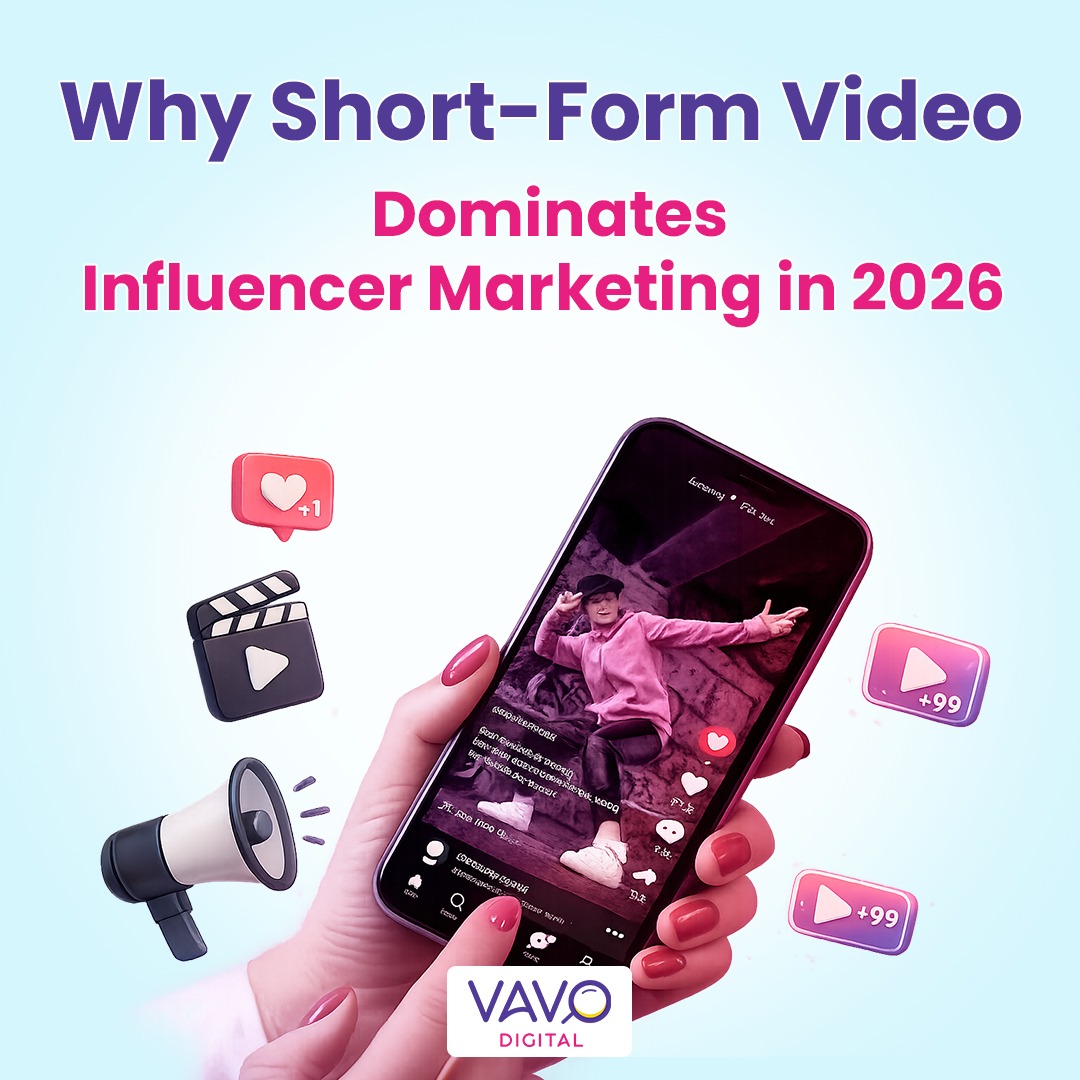
Short-form video isn't a trend anymore. It's the default. Short-form video platforms were the most preferred choice for content creation in India, and that preference is now shaping how brands brief creators, how creators produce content, and how audiences decide what to watch, share, and buy.
If your influencer marketing strategy is still built primarily around static posts and carousels, you're not wrong to use them. But you're missing the format that's doing most of the work right now.
Here's why short-form video has taken over, which platforms are leading in India, and what a good short-form creator brief actually looks like.
The brands building the strongest influencer programs in India right now are running short-form as their primary format, carousels for consideration content, and static for brand anchoring.
The numbers that explain the shift
Short-form videos get 2.5 times more engagement than long-form content on social platforms. Videos under 90 seconds retain around 50% of viewers on average. And 82% of people say watching a video influenced a purchase decision. (Source: Marketing LTB, June 2026) In India specifically, Instagram Reels generate 3 times more engagement than static posts. YouTube Shorts now accounts for 40% of platform watch time. The average Reel length has dropped to 18 seconds for optimal performance. These aren't marginal differences. They're the kind of performance gaps that should be changing how entire influencer budgets are allocated. 71% of viewers decide within the first few seconds whether a video is worth continuing. Short-form video is engineered for that decision. It has to hook immediately or lose the viewer entirely. That constraint, which sounds like a limitation, is actually what makes it so effective. Content that earns attention in the first three seconds and holds it for 18 to 30 seconds is doing something that a static post or a long YouTube video simply can't replicate.Which platforms are leading in India
India's short-form video landscape is dominated by two platforms. Instagram Reels and YouTube Shorts. Brands need to understand how they work differently before briefing creators on either. Instagram Reels India is Instagram's largest single market, with 362 million users. Reels now make up 78% of all influencer content on the platform. The algorithm rewards content that drives saves and shares, which means creator content that's genuinely useful, entertaining, or emotionally resonant travels further than content that's purely promotional. For brands, briefs that give creators something real to work with, a specific angle, a genuine hook, a reason for the audience to share the content with someone, consistently outperform briefs that lead with product features. YouTube Shorts Shorts is playing a different game. It's the format that's brought YouTube's massive search and discovery infrastructure into the short-form space. For brands targeting consideration and conversion rather than pure awareness, Shorts has the added advantage of AEO. Creator content on YouTube is now being cited by AI search engines when buyers ask category questions. A creator's detailed, honest short-form video about your product can show up in AI-generated answers for months after it's posted. Shorts is also where regional language content is performing fastest. Hindi, Tamil, Telugu, and Bengali Shorts are pulling engagement numbers that metro English-language content can't match in Tier 2 and Tier 3 markets.Why short-form changes what a good brief looks like
This is where most brands are still catching up. Briefing a creator for a static post and briefing a creator for a Reel are fundamentally different exercises. The hook is the brief On short-form video, the first three seconds determine everything. A brief that doesn't specify the hook, the opening line, the visual surprise, the question that stops the scroll, is an incomplete brief. Work with the creator on the opening moment before they shoot anything. Give the creator a format, not just a message Short-form video has its own native formats. Talking-head POVs, day-in-the-life vlogs, before-and-after reveals, response videos, trending audio overlays. Creators know which formats work for their audience. The brief should specify the message you need delivered and leave the format choice to the creator. Briefs that dictate both the message and the format tend to produce content that feels scripted because it is. Keep the product integration natural The most common mistake on short-form is front-loading the product mention. Audiences have been trained to skip sponsored content the moment they recognise it. The creator should lead with something their audience actually wants to watch, and the product should appear within the content rather than before it. Brief for the comment section The best short-form influencer content generates comments that look like purchase intent. "Where did you get this?" "What's the price?" "Sending this to my sister." Brief creators to end on a question or an open loop, giving the audience a reason to comment. Engagement signals like comments carry more algorithmic weight than passive views. Also Read: How Indian Brands Use Internet Culture in Influencer MarketingHow to split your influencer budget across formats
This isn't an argument for abandoning static posts or carousels. Both still serve real purposes. But the allocation shift is real.| Format | Best for | Engagement potential |
| Short-form Reels (under 30s) | Awareness, discovery, trend participation | Highest |
| Short-form Reels (30 to 90s) | Consideration, product demonstrations | High |
| YouTube Shorts | Discovery, search authority, regional reach | High |
| Carousels | Education, saves, detailed information | Medium-high |
| Static posts | Brand aesthetics, announcements | Medium |
The bottom line
Short-form video isn't winning because attention spans are shrinking. It's winning because it's the format that earns attention most efficiently. In a market where audiences are more sceptical of advertising than ever, a creator holding someone's attention for 18 to 30 seconds is doing something remarkable. The brands that brief for that, with the right hook, the right format, and the right creator, are getting results that static-first strategies simply can't match. If you want to build an influencer strategy built around formats that actually perform in 2026, let's talk.FAQs
- Why is short-form video better for influencer marketing than static posts? Short-form videos get 2.5x more engagement than long-form and 3x more than static posts on Instagram. Creators can show a product in context rather than just display it, which drives stronger purchase intent.
- What's the ideal length for a short-form influencer video in India? Between 18 and 60 seconds. The average top-performing Reel in India is around 18 seconds. Hook must land in the first 3 seconds regardless of total length.
- Instagram Reels or YouTube Shorts, which is better for influencer marketing in India? Both serve different purposes. Reels drives higher engagement and works better for awareness. Shorts has stronger AI search authority and is better for consideration and regional reach. Best programs use both.
- How should I brief a creator for a short-form video? Specify the hook, the core message, and non-negotiables like disclosures. Leave format, tone, and creative execution to the creator. Over-structuring a short-form brief is the most common reason branded content underperforms.
- Should brands stop using static posts and carousels? No. Carousels work well for saves and detailed information; statics anchor brand aesthetics. The shift is in allocation; short-form should lead, with carousels and statics supporting.
- Why is YouTube Shorts specifically important for Indian brands? Regional language content on Shorts outperforms metro English content in Tier 2 and Tier 3 markets. YouTube creator content is also being cited by AI search engines, so a good creator video keeps working for your brand long after it's posted.